The Modern Walk-Up: A Smart Solution for Today’s Multi-Family Market
As housing demand accelerates, the multi-family walk-up is proving to be one of the most resilient development tools available.


For years, developers have viewed the three-story walk-up as one of the most straightforward solutions in multi-family development.
Efficient, repeatable, and often driven primarily by cost, it became a reliable approach for many suburban projects. But in today’s development environment, those same characteristics are taking on new importance.
Housing demand remains strong in markets like Central Ohio. At the same time, record supply deliveries and rising development costs are forcing developers to evaluate risk more carefully. In that environment, the modern walk-up is proving to be one of the most strategic building types available.
When designed thoughtfully, the modern walk-up can deliver far more than simple efficiency. Its advantages extend beyond construction type alone.
Understanding why requires looking beyond the building type itself.
Here are four reasons why the modern walk-up continues to outperform expectations.

1. Elevating the Design: Density Without Compromise
The biggest shift in multi-family walk-ups is architectural. What was once defined by long, repetitive facades and minimal articulation has become an opportunity to create identity, incorporate light, and bring human scale to the building.
Clean massing, disciplined color blocking, and intentional window placement can transform a simple three-story building into something that feels vibrant and livable rather than generic.
Breaking down building mass is critical. A 36-unit structure can easily feel oversized if it reads as one continuous volume. Introducing breezeways, vertical circulation breaks, and subtle shifts in material or form reduces that perceived scale and creates a more pedestrian-friendly experience. Density remains, but it no longer feels overwhelming.
Natural light plays an equally important role. Thoughtful window configurations, combining fixed, operable, and transom elements where budgets allow, push the exterior envelope further than many traditional walk-ups. The result is units that feel open and bright rather than compressed.
Projects like The Mill on Flax in Delaware, Ohio demonstrate how thoughtful massing and window placement can elevate the walk-up product while still maintaining the efficiency developers rely on.
When density, light, and massing are handled intentionally, the multi-family walk-up stops feeling like a compromise and starts feeling like a refined product type in its own right.
2. Speed to Market and the Economics Behind the Product
The appeal of the modern multi-family walk-up is not only architectural. It's financial.
In today’s lending environment, product type matters. Three-story wood-framed construction allows developers to move more efficiently from concept to lease-up than many mid-rise urban infill projects.
The construction type itself reduces complexity, shortens schedules, and lowers overall exposure compared to taller noncombustible structures that require different building classifications and higher material costs.
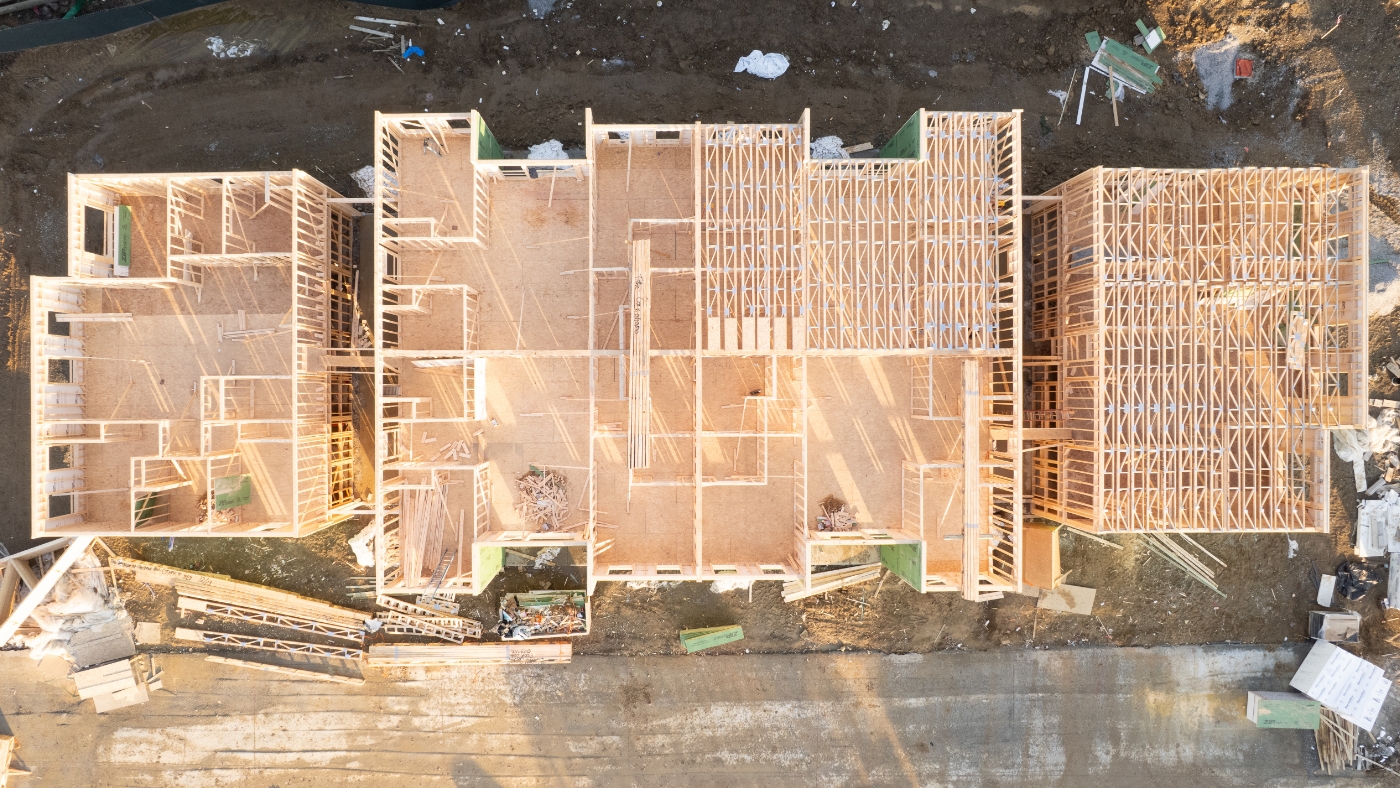
Phasing is another strategic advantage. With a walk-up development, construction can move in sequence, beginning with a clubhouse and initial buildings and then progressing across the site. As the first buildings are completed, units can be turned over to property management and brought online while later phases are still under construction. Revenue generation does not have to wait for the entire project to be complete.
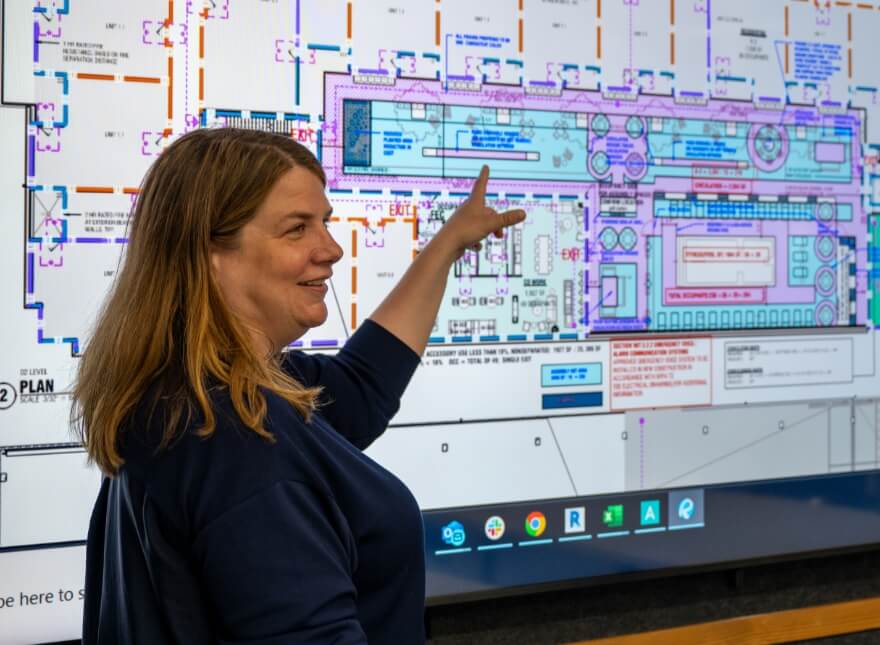
Efficiency begins long before construction. Early site capacity studies, where we evaluate unit count, unit mix, parking ratios, and proximity of spaces to individual buildings, provide owners with the information they need to test feasibility quickly. This type of early analysis is one way architects can bring real value to developers.
With a clear understanding of density and parking performance, developers can engage their construction partners and build a realistic pro forma.
In a market where capital is cautious and timelines matter, the ability to evaluate risk and move decisively is one of the strongest advantages the walk-up product offers.
3. Beyond the Amenity Arms Race
Over the past decade, multi-family amenities have escalated rapidly.
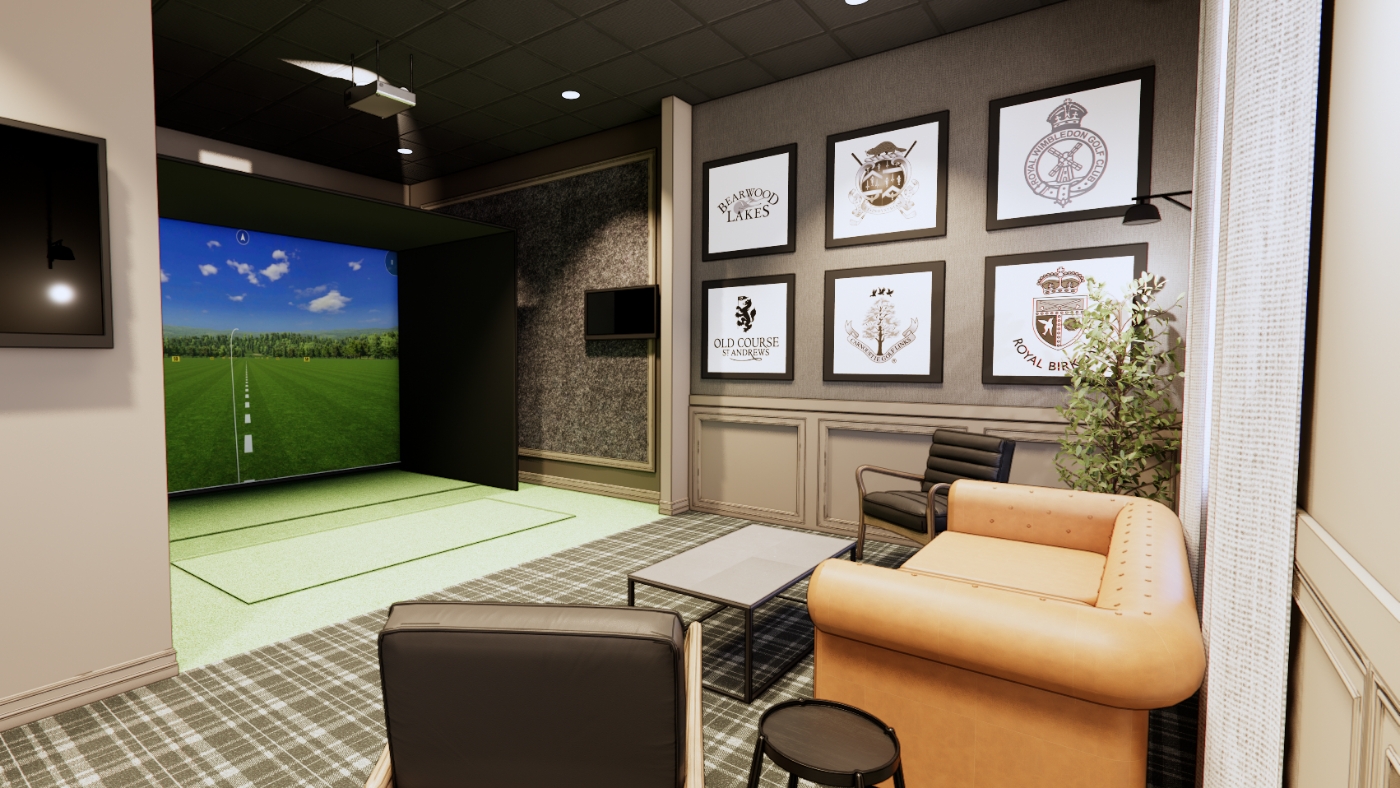
What once centered around business centers and pool tables has evolved into golf simulators, puppy spas, cold plunges, saunas, and expansive wellness facilities. In many markets, developments compete to offer the next headline feature: An amenity checklist designed to capture attention during a tour.
Amenities alone do not define long-term success. In many cases, they function as confirmation tools: prospective residents want to know the boxes are checked, even if those spaces are rarely used in daily life. The challenge for developers is balancing attraction with practicality; investing in features that support lifestyle without over-extending capital into underutilized square footage.
At the same time, competition has shifted inside the unit itself. In 600 to 900 square feet, every decision matters. Work-from-home flexibility, kitchen islands, tiled walk-in showers, storage systems, and appliance packages have become part of a quiet arms race between properties. Increasingly, renters are comparing not just location and amenities, but how efficiently and comfortably they can live within their own space.
Thoughtful unit planning and quality execution often deliver more sustained value than a single high-profile feature in the clubhouse.
4. Designing for Retention and a Sense of Neighborhood
While speed to market and strong lease-up matter, long-term performance is often determined by something less visible: Retention. The most successful walk-up communities are not just designed to attract residents. They are designed to keep them.
Site planning plays a critical role. In a three-story walk-up environment, proximity to parking is more than a convenience. It directly affects daily livability. Residents want to know their car is close to their unit, not across the site.
Yet parking studies are sometimes undervalued in early planning phases. Ensuring that unit counts, parking ratios, and space proximity align reduces friction for residents and prevents certain buildings from becoming less desirable over time.
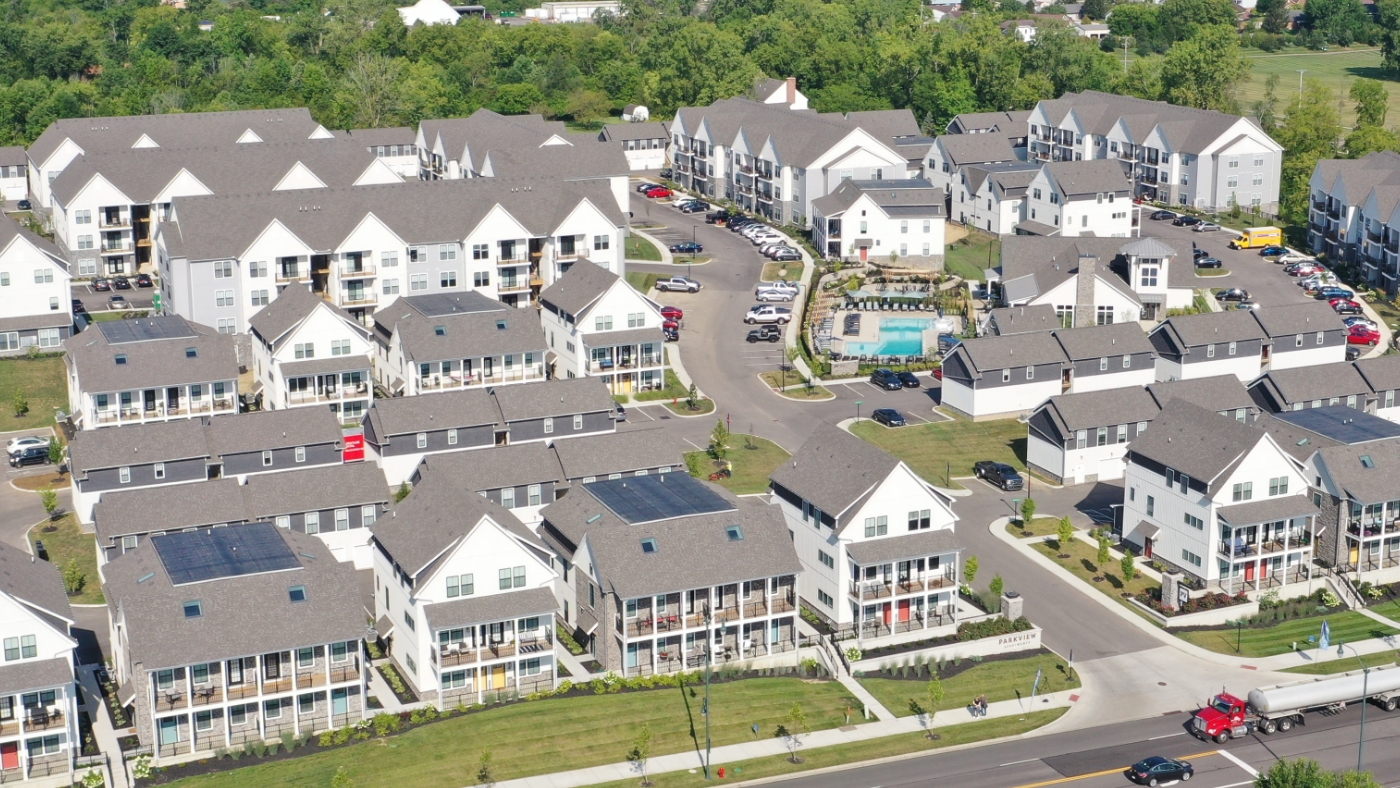
Beyond logistics, walk-ups offer a unique opportunity to create a neighborhood feel. Compared to larger corridor-style buildings, the distributed nature of walk-ups naturally supports more green space, more approachable building scale, and stronger pedestrian experience.
When paired with thoughtful programming or shared outdoor elements, these communities can foster real social connection. The design of shared spaces also plays a role in shaping that experience, helping residents feel connected to their neighbors and the broader community.
Residents who build relationships within a community are more likely to stay, reducing turnover costs and strengthening the long-term performance of the asset.

Final Thoughts // A Building Type Built for Today’s Market
The three-story walk-up has always been one of the most practical building types in multi-family development. In today’s market, that practicality is proving to be a real advantage for developers.
It solves a lot of competing priorities at once: density without overwhelming scale, efficient construction, elevated design, and communities that still feel approachable. That balance is why this building type continues to show up across growing markets year after year.
If you're planning a multi-family project and want a partner who understands the design and development of three-story walk-ups, let's connect.
Share this story